The Short Answer
IPTV technology is completely legal. It is not some underground hacking tool or a dodgy workaround. IPTV stands for Internet Protocol Television, and it is simply a method of delivering video content over the internet. Every time you open BBC iPlayer, watch something on Netflix, stream Sky Go on your phone, or fire up Amazon Prime Video, you are using IPTV technology. It is how most modern television works.
So why does everyone keep asking whether it is legal? Because the legality of IPTV does not depend on the technology — it depends on the provider and what content they are distributing. That distinction is everything, and it is what most articles about this topic either get wrong or deliberately avoid.
This article is going to give you the honest, complete picture. Not a sales pitch disguised as legal information. Not a scare piece designed to put you off. Just a clear explanation of where the lines are, what the law actually says, and how to make an informed decision.
What Makes IPTV Legal?
To understand why IPTV keeps getting tangled up in legality questions, it helps to understand what the technology actually is at its core.
IPTV is a delivery method. That is all. Traditional television arrives at your house through a satellite dish (Sky), a cable (Virgin Media), or an aerial (Freeview). IPTV arrives through your internet connection. The content is broken into small data packets, sent over the internet, and reassembled on your screen. It is the same principle that makes video calls, YouTube, and every streaming service on the planet work.
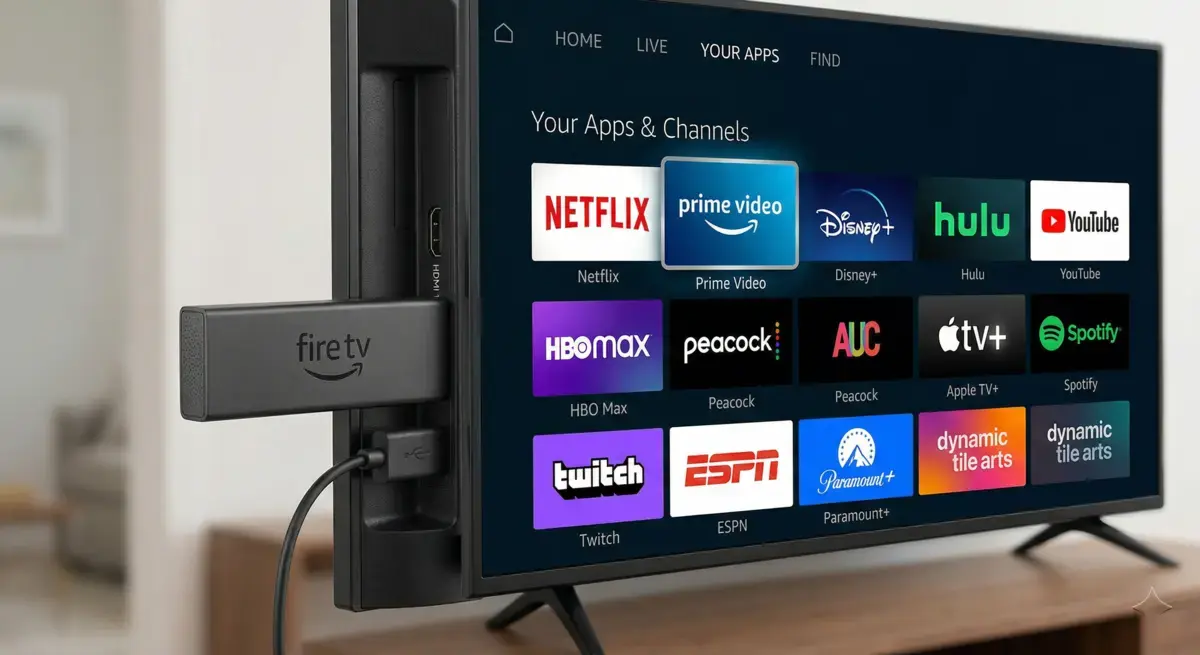
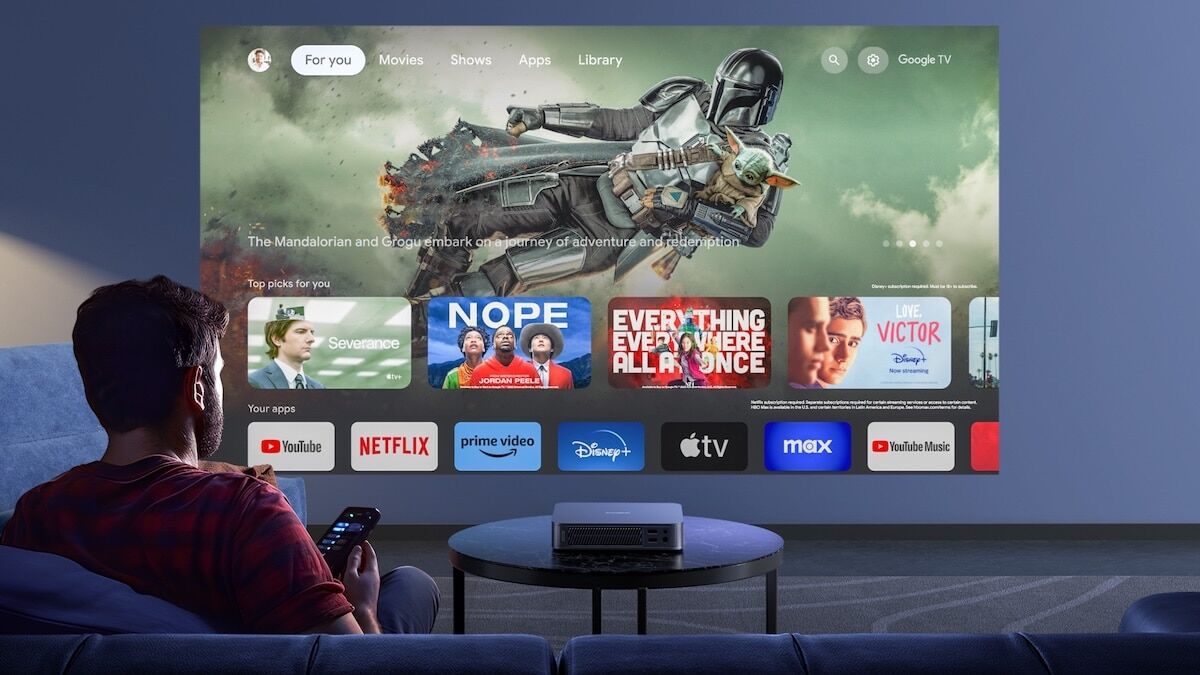
Here is a list of services that use IPTV technology every single day:
- BBC iPlayer — Funded by the licence fee, operated by the BBC. Uses IPTV.
- ITVX — ITV's free streaming platform. Uses IPTV.
- Channel 4 / All 4 — Free, ad-supported streaming. Uses IPTV.
- Netflix — The biggest streaming service in the world. Uses IPTV.
- Amazon Prime Video — Part of Prime membership. Uses IPTV.
- Disney+ — Disney's global streaming service. Uses IPTV.
- NOW TV — Sky's own streaming arm. Uses IPTV.
- Sky Go — Watch Sky on your phone or tablet. Uses IPTV.
- DAZN — Sports streaming platform. Uses IPTV.
- Apple TV+ — Apple's streaming service. Uses IPTV.
Nobody questions whether Netflix is legal. Nobody worries about using BBC iPlayer. That is because the technology is not the issue — it never has been. IPTV is just a pipe. What matters is what flows through it.
If you want to understand the technical side in more detail — how the servers work, how channels are delivered, what equipment you need — we have a separate guide that covers all of it: How Does IPTV Work?

When Does IPTV Become a Legal Grey Area?
The technology is clear-cut. The grey area begins when you start looking at individual providers and what content they are distributing.
Every piece of television content — a Premier League match, a Hollywood film, a BBC documentary — is owned by someone. The rights holder (the studio, the league, the broadcaster) decides who is allowed to distribute that content and under what terms. They sell licences to broadcasters, who pay for the right to show that content to their subscribers.
When Sky shows a Premier League match, it is because Sky has paid billions of pounds for the broadcasting rights. When Netflix shows a film, it is because Netflix has licensed that film from the studio that produced it. The content is legal because the distributor has permission to distribute it.
The question with any IPTV provider is: do they have the rights to distribute the content they are offering? This is where the spectrum of providers comes in.
Fully Licensed Providers
At one end, you have services like NOW TV, BT Sport's app, and DAZN. These are fully licensed, regulated broadcasters that pay rights fees and operate within standard broadcasting regulations. There is zero ambiguity — they are legal in every sense.
The Middle Ground
In the middle, there is a large and growing market of IPTV providers that operate independently. Some of these providers source content through legitimate agreements. Others operate in territories where licensing frameworks are different or less clearly defined. The IPTV industry globally is still catching up with regulation, and the legal landscape varies significantly from country to country.
Clearly Unlicensed Providers
At the other end, there are providers that restream content they have no rights to distribute — essentially pirating broadcasts and reselling access. These operations tend to be short-lived, poorly run, and unreliable.
The crucial point is this: the responsibility for content licensing sits with the provider, not the viewer. As a consumer, your job is to make an informed choice about who you give your money to — and there are clear signs that separate trustworthy providers from questionable ones. More on that below.
What Does UK Law Actually Say?
Let us be specific about the legal framework, because vague statements like "it is a grey area" are not helpful when you are trying to make a decision.
In the United Kingdom, copyright is primarily governed by the Copyright, Designs and Patents Act 1988 (CDPA). This is the foundational piece of legislation that defines what constitutes copyright infringement and who can be held liable for it. It has been supplemented over the years by the Digital Economy Act 2017 and various EU-derived regulations that remain in UK law post-Brexit.
Who Does the Law Target?
The law draws a clear distinction between distribution and consumption. Under the CDPA, it is an offence to distribute, communicate to the public, or make available copyrighted material without the rights holder's permission. This targets the people and companies who run unlicensed streaming services — the operators, not the audience.
Enforcement actions in the UK have consistently followed this pattern. In recent years, several high-profile cases have resulted in prison sentences for people who ran large-scale unlicensed IPTV operations. These were individuals who profited from distributing content they had no rights to — not people who subscribed to a service and watched it at home.
What About Viewers?
For end users — the people watching streams — the legal position is more nuanced. Under EU case law (which still influences UK legal interpretation), temporarily viewing a stream without downloading or recording it has generally not been treated as copyright infringement. The practical reality is that rights holders and law enforcement focus their limited resources on shutting down providers and distributors, not pursuing individual viewers.
That said, this is not a blanket guarantee. Laws evolve. Enforcement priorities can shift. The fact that something has not been prosecuted does not mean it cannot be. The safest position for any consumer is to choose a provider they trust and to be informed about what they are using.
A Note on Legal Advice
We need to be upfront: this article is not legal advice. It is a factual overview written in plain English to help you understand the landscape. If you have specific concerns about your individual circumstances — particularly if you run a business, are a content creator, or have other factors that complicate the picture — you should consult a qualified solicitor who specialises in intellectual property or media law. Organisations like the Citizens Advice Bureau can also point you in the right direction for free guidance.
How to Choose a Legitimate IPTV Provider
If you decide to use an IPTV service, the single most important thing you can do is choose your provider carefully. The difference between a trustworthy provider and a questionable one is usually obvious once you know what to look for.
Signs of a Trustworthy Provider
- A proper website: A legitimate business has a real, publicly accessible website with clear information about their service, pricing, and terms. Not a single page with a WhatsApp number. Not a Facebook group. An actual website with pages, content, and transparency.
- Transparent pricing: Clear plans with no hidden fees. You should be able to see exactly what you are paying and what you get before you hand over any money. Check our pricing page for an example of what transparent pricing looks like.
- Genuine customer support: Real providers invest in customer support — WhatsApp, live chat, email with actual response times. If the only way to contact a provider is through a Telegram channel or a Discord server, that is a warning sign.
- A refund policy: Any provider confident in their service will offer a money-back guarantee or a refund window. If a provider takes your money and explicitly states no refunds under any circumstances, ask yourself why.
- A free trial: The best way to evaluate a service is to use it. Reputable providers offer a trial — usually 24 hours of full access — so you can test the quality before committing. If someone refuses to let you try the product, that tells you something.
- A track record: How long have they been operating? Do they have genuine reviews from real customers — not just testimonials on their own site, but feedback on independent platforms, forums, and review sites? Longevity and reputation are hard to fake.
- Multiple payment options: Legitimate businesses accept standard payment methods. Card payments, PayPal, bank transfers — the normal ways people pay for things online.
Red Flags to Watch For
- No website at all: If the provider operates entirely through social media, Telegram, or word of mouth with no web presence, proceed with extreme caution.
- Cryptocurrency-only payments: While crypto is legitimate in many contexts, a provider that only accepts cryptocurrency and refuses standard payment methods is likely trying to make transactions untraceable.
- No contact information: If you cannot find a name, an email address, or a support channel — if the entire operation feels anonymous — that is a major red flag.
- Prices that seem impossibly low: If someone is offering a full year of service for a few pounds, the economics do not work unless corners are being cut somewhere significant.
- No refund policy and no trial: A provider that demands payment upfront, offers no trial, and has no refund policy is telling you they do not expect you to be satisfied — or they do not plan to be around long enough for it to matter.
- Constant rebranding: Providers that change their name every few months are usually doing so because their previous identity was shut down or gained a bad reputation. Stable, legitimate businesses do not need to rebrand quarterly.
The theme across all of these is transparency. A provider with nothing to hide operates openly. They have a website. They show you their prices. They let you try the service. They answer your questions. They stand behind their product. If a provider fails these basic tests, there are better options available.

What About VPNs and IPTV?
This comes up constantly, so let us address it directly.
A VPN (Virtual Private Network) encrypts your internet traffic and routes it through a server in another location, masking your real IP address. Using a VPN is completely legal in the United Kingdom. Millions of people use VPNs every day for legitimate reasons — protecting their privacy on public Wi-Fi, accessing work systems remotely, or keeping their browsing activity private from their internet service provider.
Some IPTV users choose to run a VPN alongside their service. That is their prerogative and it is perfectly lawful. However, it is important to understand what a VPN does and does not do in this context:
- A VPN adds privacy. It prevents your ISP from seeing exactly what you are streaming, and it masks your IP address from the services you connect to.
- A VPN does not change legality. If the content you are watching is legally questionable, a VPN does not make it legal. It just makes your connection more private. The legal status of the content is determined by the provider and their licensing, not by whether you are using a VPN.
- A VPN can help with ISP throttling. Some internet service providers slow down streaming traffic during peak hours. A VPN can sometimes bypass this, resulting in smoother streams. This is a practical benefit, not a legal one.
We have a full guide on using IPTV with a VPN that covers the technical setup, the best VPN options, and when it actually makes a difference. If this topic interests you, that article goes much deeper than we can here.
Our Approach at IPTVJoy
We would rather be upfront about who we are than make vague claims and hope you do not ask questions.
IPTVJoy operates a public website with transparent pricing, clear terms of service, and a published refund policy. Every plan is visible on our pricing page with no hidden costs. We offer a free 24-hour trial with full access so you can test the service before spending anything. Our support team is available around the clock on WhatsApp — real people, not bots, not automated replies.
We have a 7-day money-back guarantee because we believe you should never feel trapped by a service. If it is not right for you, you get your money back. Simple as that.
We have been operating for years, and our customer reviews include thousands of verified reviews from real users — not hand-picked testimonials, but genuine feedback from people who use the service every day. You can also learn more about who we are and how we work on our about page.
We encourage responsible use. We are not going to pretend to be something we are not, and we are not going to dodge hard questions. If you have concerns about IPTV legality that are specific to your situation, we genuinely recommend speaking to a legal professional. What we can tell you is that we run our business openly, we treat our customers fairly, and we have built a service we are proud of.
The Bottom Line
The question "is IPTV legal?" does not have a one-word answer, and anyone who tells you it does — in either direction — is oversimplifying. The technology is legal. The major streaming services you already use rely on it. The legality question is really about the provider: who they are, how they operate, and what content they are distributing.
As a consumer, the best thing you can do is be informed. Choose a provider that operates transparently, has a track record, offers a trial, and stands behind their service. Avoid providers that hide behind anonymity, refuse to let you test the product, or make promises that sound too good to examine closely.
If you want to learn more about how IPTV works from a technical standpoint, our beginner's guide explains everything in plain English. For specific questions about our service, our FAQ page covers the most common ones. And if you just want to see what the fuss is about, the free trial lets you test the full service without spending a penny.
Share This Article
Comments (7)
Thanks for the honest article. Most IPTV sites just avoid this question entirely or pretend everything is completely above board. Nice to see someone actually lay out the nuance without being preachy about it. I have been using IPTV for about two years and this is the clearest explanation I have read of where things actually stand.
I have been worried about this for ages. My son set up IPTV on my Firestick last Christmas and I have been using it ever since, but I always had this nagging feeling in the back of my mind. Reading the bit about enforcement targeting providers rather than viewers has put my mind at ease a lot. Not that I want to do anything wrong — I just did not know where I stood.
Hi Karen! It is a really common concern and completely understandable. The important thing is that you are asking the question, which most people do not bother to do. The technology itself is perfectly legitimate, and choosing a reputable provider with transparent practices is the best thing you can do. If you have any specific questions about our service, feel free to reach out on WhatsApp anytime.
Good balanced write-up. I work in media law and while I would not go into specifics publicly, this is a fair representation of where things stand in the UK. The technology is absolutely legitimate and the distinction between the delivery method and the content licensing is the right one to make. More people need to understand that nuance.
Been using IPTV for about three years now. Started because a mate recommended it for the football, stayed because it replaced Sky, Netflix, and Amazon for a fraction of the combined cost. Never had a single issue. No letters, no warnings, nothing. I think people overthink this — it is just telly coming through the internet instead of a dish.
Quick question — does using a VPN make any difference to the legal side of things? I already use one for work and I keep it running most of the time anyway, but I wondered if it changes anything when watching IPTV.
Hi Priya! A VPN adds privacy by encrypting your connection and masking your IP address, but it does not change the legal status of what you are watching. It is perfectly legal to use a VPN in the UK. If you want the full breakdown of how VPNs work with IPTV, we have a dedicated guide at iptvjoy.co.uk/iptv-with-vpn that covers everything in detail.